The limitations section,
photographed.
A quinquennial inspection is a visual inspection — and every QI report records what could not be seen: parapet gutters, tower roofs, valleys, high slopes, high-level stonework. Flown in the weeks before the inspection, or on the day at your architect’s direction, we put close-range photographs of exactly those areas in front of the professional whose report the law requires. No scaffolding, nothing touches the fabric.
Scope note. Our quinquennial work is external visual aerial photography recorded as observations only — not a structural survey, condition survey or chartered RICS building survey, and not heritage, faculty or conservation advice. The statutory quinquennial inspection remains the role of your appointed inspecting architect or surveyor; our imagery supports that role and never replaces it. Subject to our standard terms & conditions.
Five years. One inspector. Four copies of the report.
Section 45, Ecclesiastical Jurisdiction and Care of Churches Measure 2018 · Church Buildings Council guidance
Every Church of England church building must be inspected at least once every five years under each diocese’s inspection scheme. The inspector is appointed by the PCC after obtaining and having regard to the DAC’s advice — in practice, under most diocesan schemes, a registered architect or chartered building surveyor — and the report is never a private document: it is copied to the archdeacon, the PCC, the incumbent and the DAC secretary.
In practice the inspection is carried out from the ground, from ladders and from safely accessible roofs. That is why QI reports carry a limitations section listing what could not be seen — and those unseen areas are precisely where church repair need tends to start. Close-range aerial photography closes that gap: it gives the appointed professional sight of the areas their own access could not reach, without scaffolding and at a fraction of the cost of access equipment.
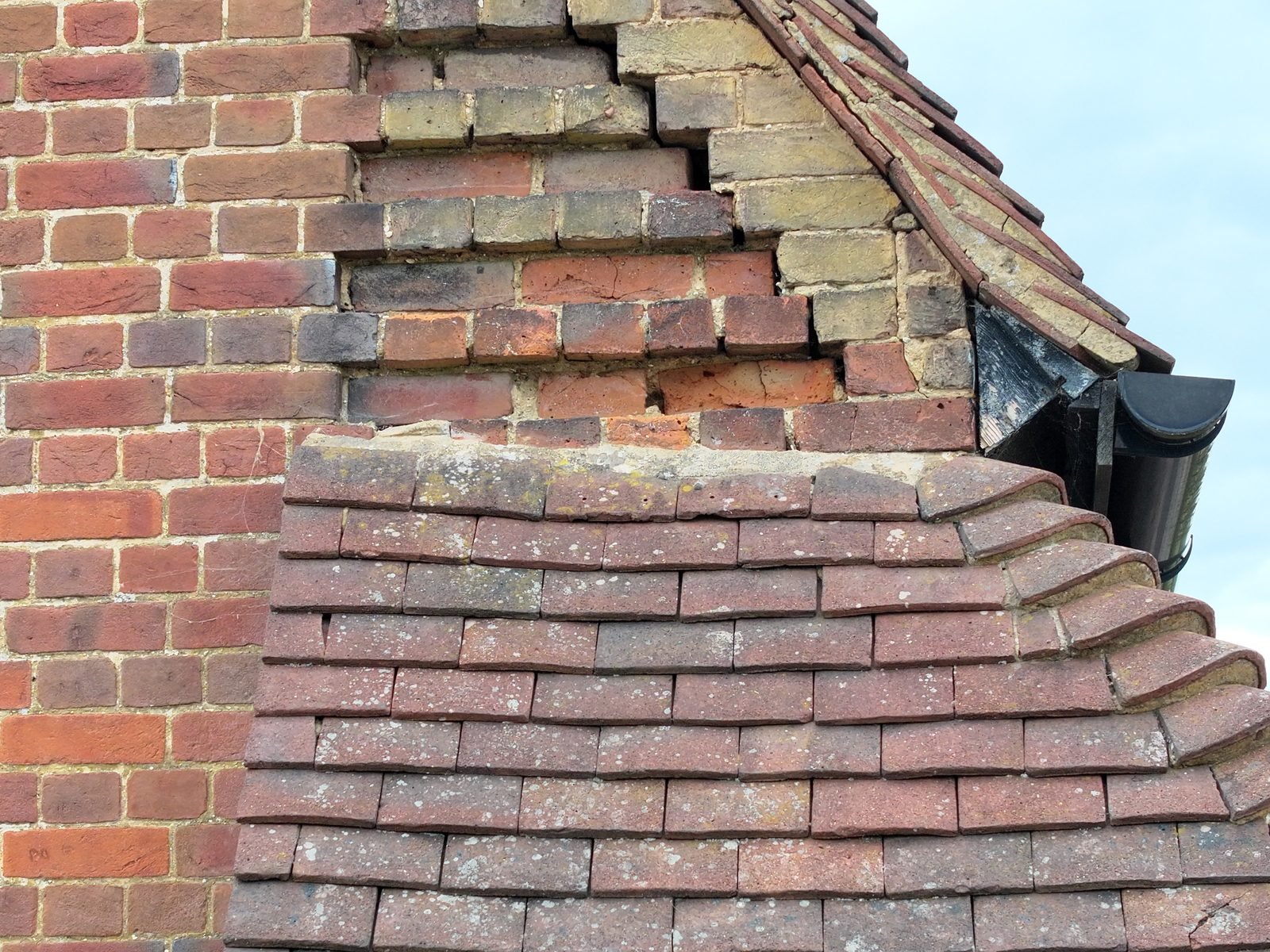
The pre-QI photographic pack
Commissioned by the PCC in the weeks before the inspection, one visit captures nadir and oblique photography of every roof slope, parapet gutter, valley, junction and the tower — the exact areas a ground-level inspection has to caveat. Every frame is reviewed with AI assistance and checked by the remote pilot — the software helps sort, the pilot decides what is flagged, and every flagged location is referenced to its source photographs.
Your inspector receives a concise observation report and the complete photo set by secure download, within days of the flight — on their desk before they plan the visit. Coverage is clearly recorded, so the QI report can state exactly which areas were viewed by drone and when.
On the day, at your inspector’s direction
Some architects prefer the camera in the air while they are on site — so they can direct it. We fly during the inspection visit itself, putting the lens where the inspector points: the junction they cannot reach, the gutter behind the parapet, the slope the ladder will not serve. The professional judgement stays on the ground; the camera goes where it is sent.
It is the same discipline diocesan guidance expects of supplementary imagery: flown at the inspecting professional’s discretion, with coverage recorded, and one access question — scaffolding or not — often answered on the spot. The full photo set follows by secure download, within days.
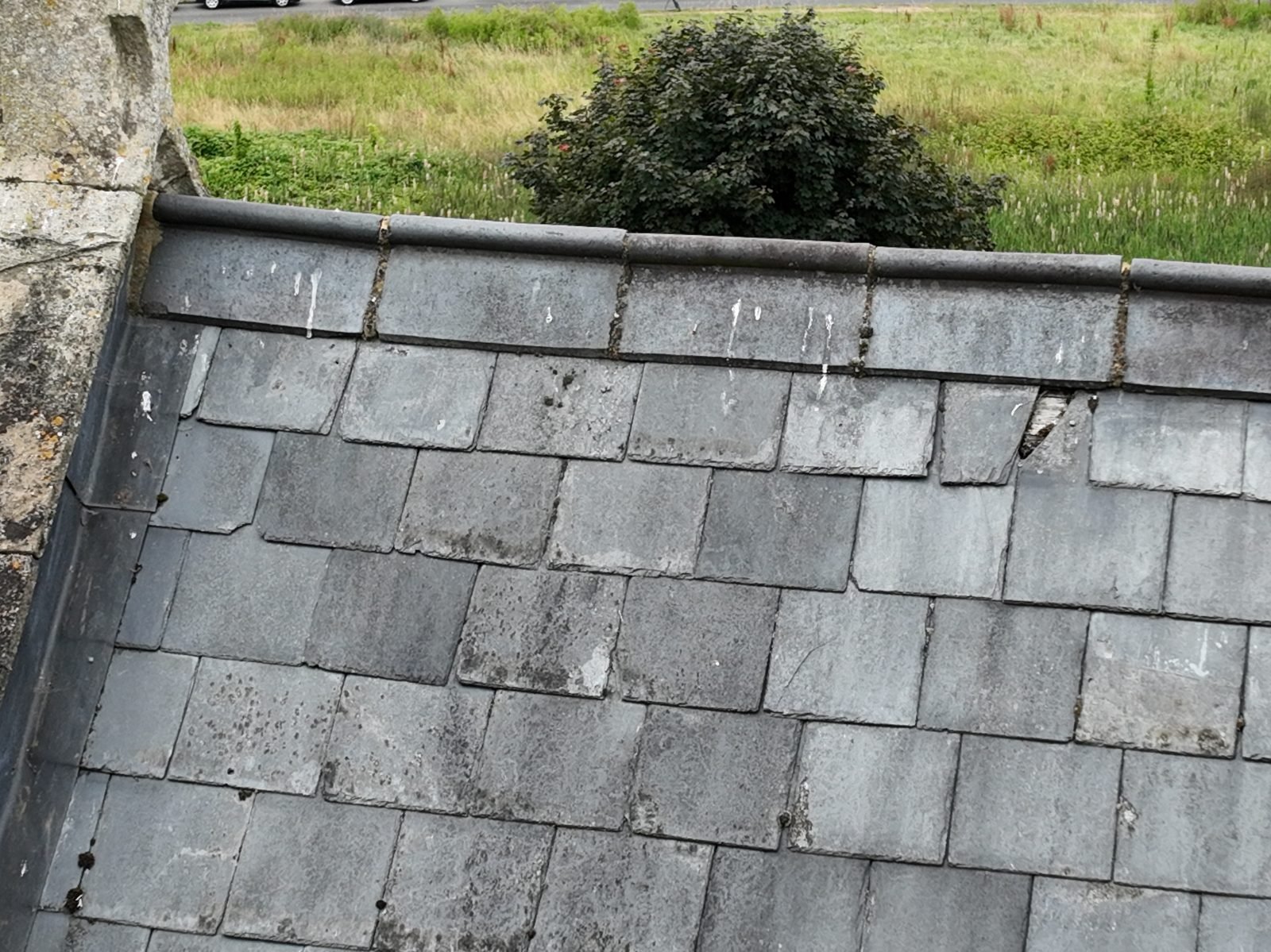
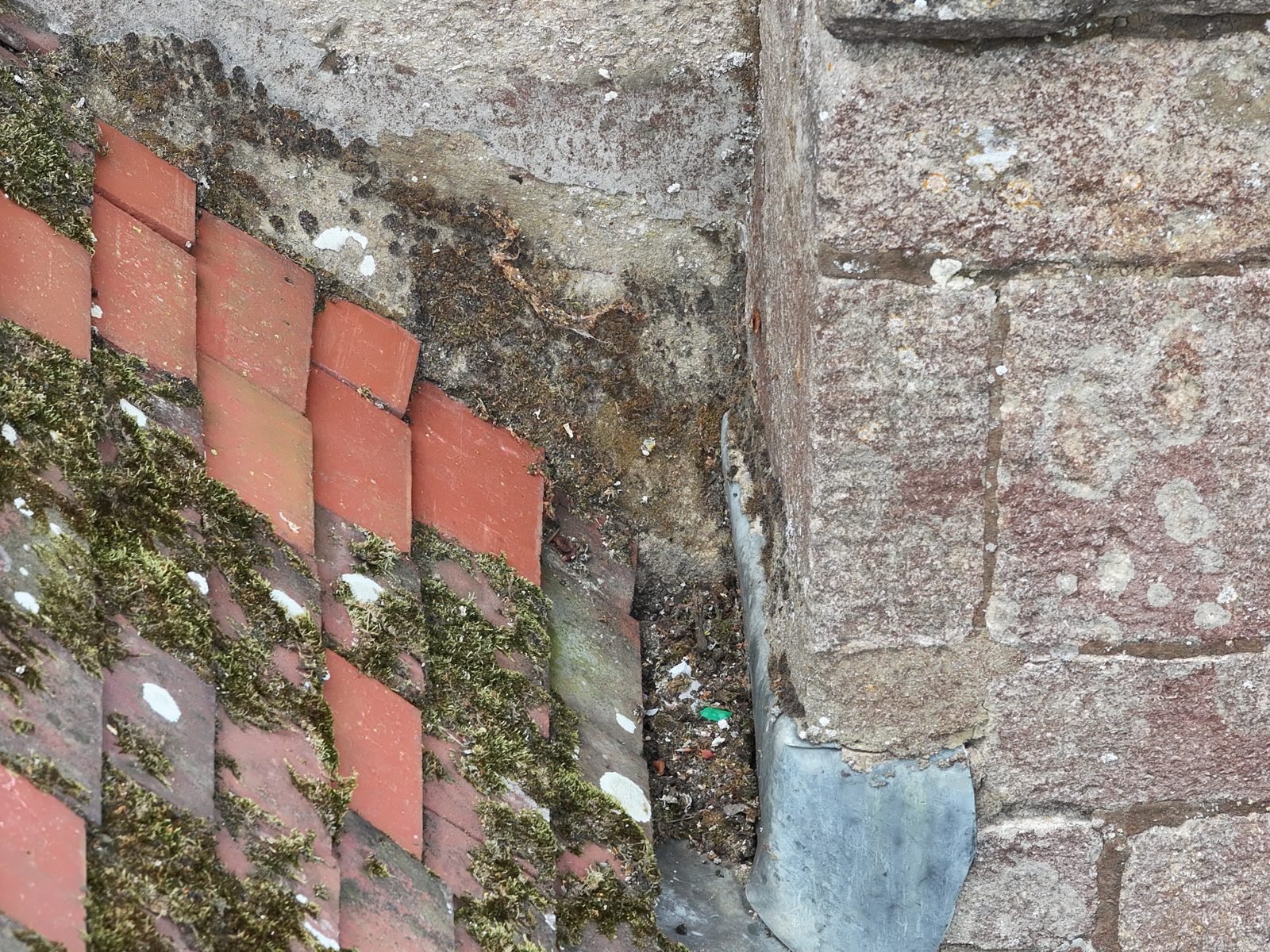
For inspecting architects and surveyors
One QI inspector can hold dozens of churches — and every one of them has roofs that ladders will not reach. We work as your evidence layer, to your specification: the elevations you want, the junctions you already have questions about, the frame coverage your report needs. You interpret; we photograph. The statutory report, and the professional judgement in it, remain entirely yours.
A practice-wide arrangement covers your whole church list on standing terms — one point of contact, consistent deliverables, fixed price per church. Imagery is handled with the discipline our security work demands: ICO-registered, Cyber Essentials certified, and we never publish roof plans of named churches.
Between inspections
Five years is a long time on a roof. Gutters fill, storms pass through, and the next QI inherits whatever went unrecorded. A between-QI flight keeps the file current: a gutter-season check before winter, a post-storm record before anyone is asked to quote, a dated photographic baseline the next inspection can measure against.
Each flight adds to a growing, dated archive of the building — useful to the PCC, the architect and the insurer alike. For churches that want it on a standing footing, our Managed Capture programmes put an annual flight and gutter-season checks on a fixed retainer, and our churches & heritage page covers the wider work — roof-metal baselines, grant evidence and more.
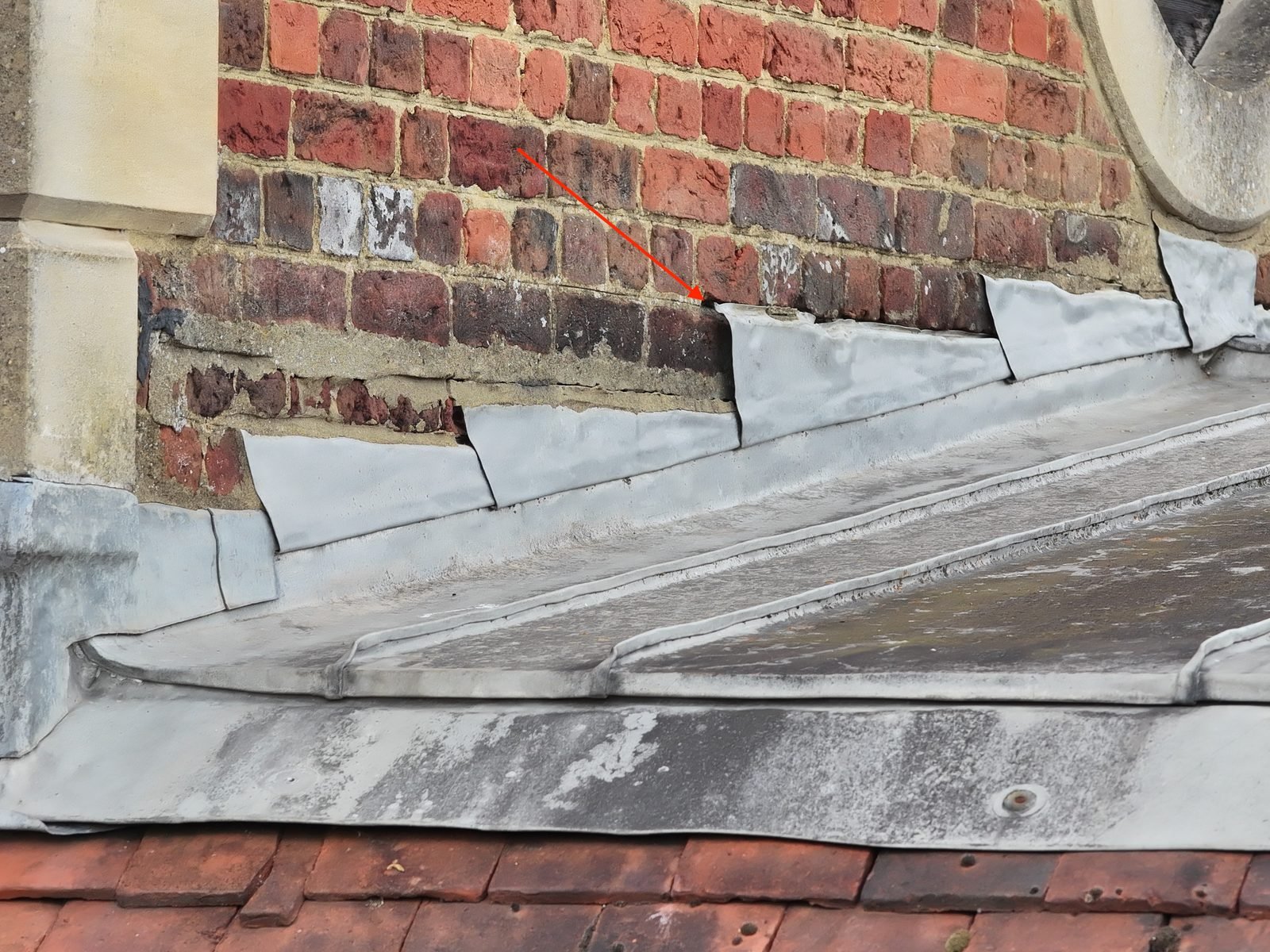
Brief. Paperwork. Flight.
The paperwork arrives before we do — the full Church Flight Pack is described on our churches & heritage page.
The brief
Tell us about the church, the inspection date and any known concerns — or, for practices, send your specification. Fixed quotation within 2 working days.
The Flight Pack
Approval form, CAA authorisation evidence, insurance certificate, risk assessment, method statement and flight plan — with the churchwardens before anything flies.
Flight & delivery
One visit, flown to the agreed plan. Observation report and the full photo set by secure download, within days.
Asked by wardens, treasurers and architects.
Something else on your mind? Ask it on a free Discovery Call.
Can drone imagery replace the quinquennial inspection?
No. Section 45 of the 2018 Measure reserves the inspection to the church’s appointed quinquennial inspector — appointed by the PCC on the DAC’s advice, in practice a registered architect or chartered building surveyor under most diocesan schemes. Our imagery is supplementary evidence, used at your inspector’s discretion — it shows them what scaffolding would otherwise be needed to see.
When should the flight happen?
Most usefully in the weeks before the inspection, so the photographs are on the inspector’s desk when they plan the visit — or on the day itself, with the inspector directing the camera. Between-QI gutter-season and post-storm flights keep the file current.
Does the imagery go into the QI report?
That is entirely the inspecting architect or surveyor’s decision. What we make sure of is that they can rely on it: coverage is clearly recorded, so the report can state exactly which areas were viewed by drone and when.
Who commissions the flight — the PCC or the architect?
Either. PCCs commission directly ahead of a QI, and many architects and surveyors commission to their own specification, with practice-wide arrangements covering every church on their list.
How much does it cost?
Fixed price per brief — no hourly rates and no open-ended bills. Tell us about the church and the inspection date and we’ll return a fixed quotation within 2 working days. Benefice and multi-church bundles cover several churches in one visit day.
What about permissions and paperwork?
Before we arrive, the church receives our Church Flight Pack — approval form, CAA authorisation evidence, insurance certificate, risk assessment, method statement and flight plan — ready to file in the church logbook. Flights are timed around services and visitors, bat-aware as standard.
Ten churches, photographed and reported.
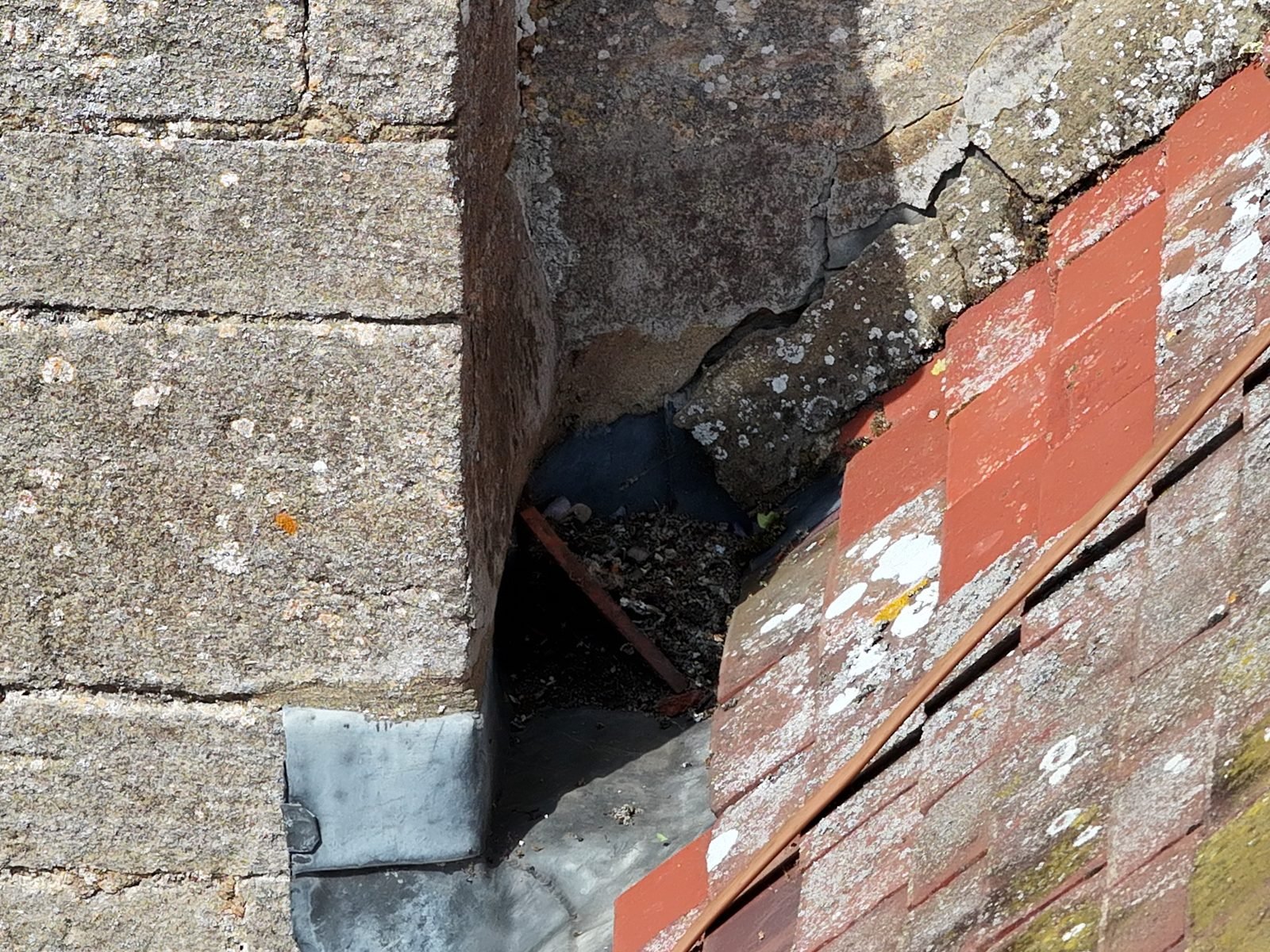
St Thomas à Becket
The steeple keeper reported rain entering at the roof-to-tower junction. We photographed it at close range — mortar fillet, debris and leadwork — in wording the church handed straight to its architect.
Read the case study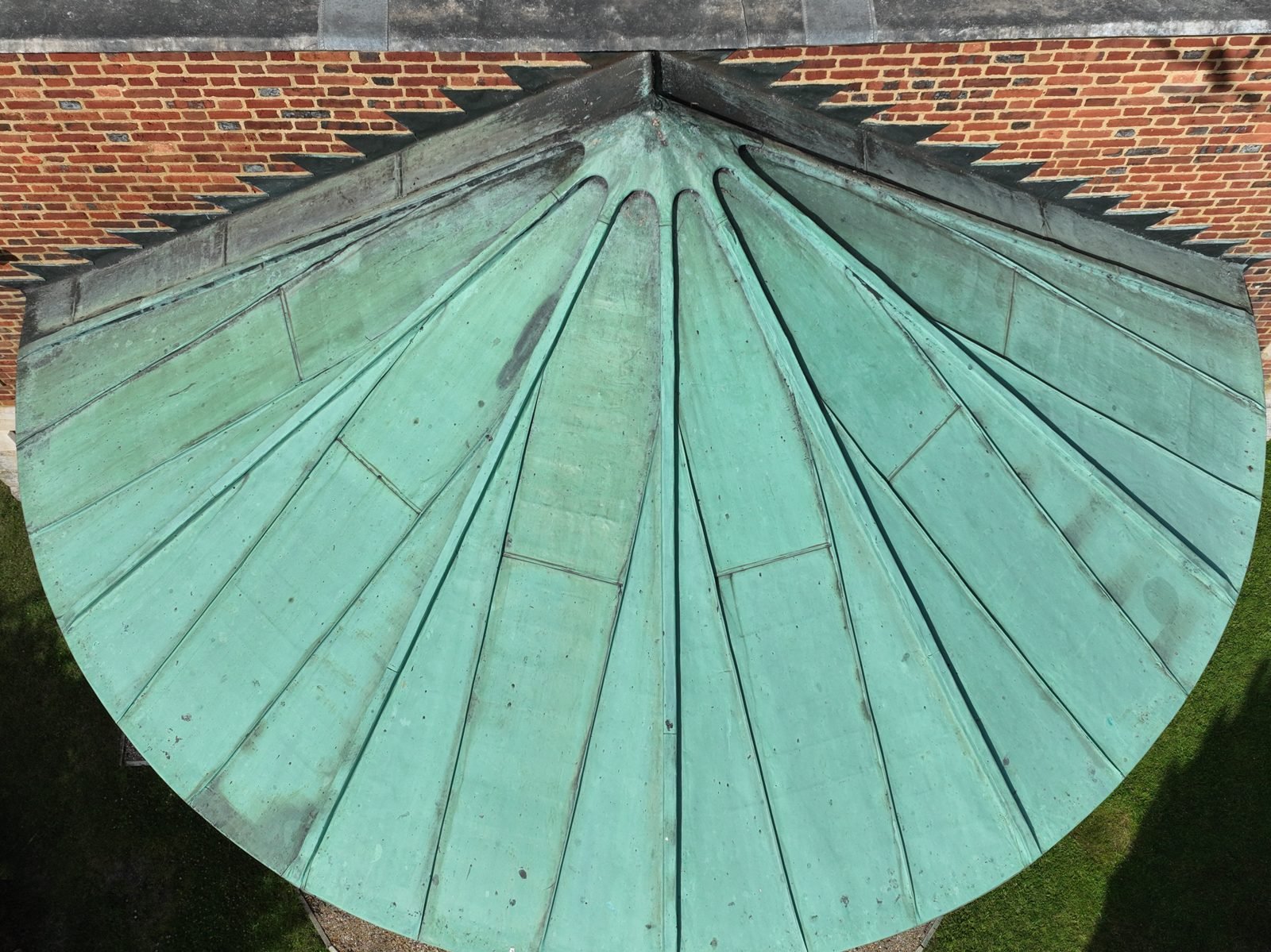
St Mary Magdalene
Robert Hooke’s church, completed in 1680: copper dome, tower roof and parapet gutters captured in 161 frames — every one reviewed, flagged locations marked on an annotated overview.
Read the case study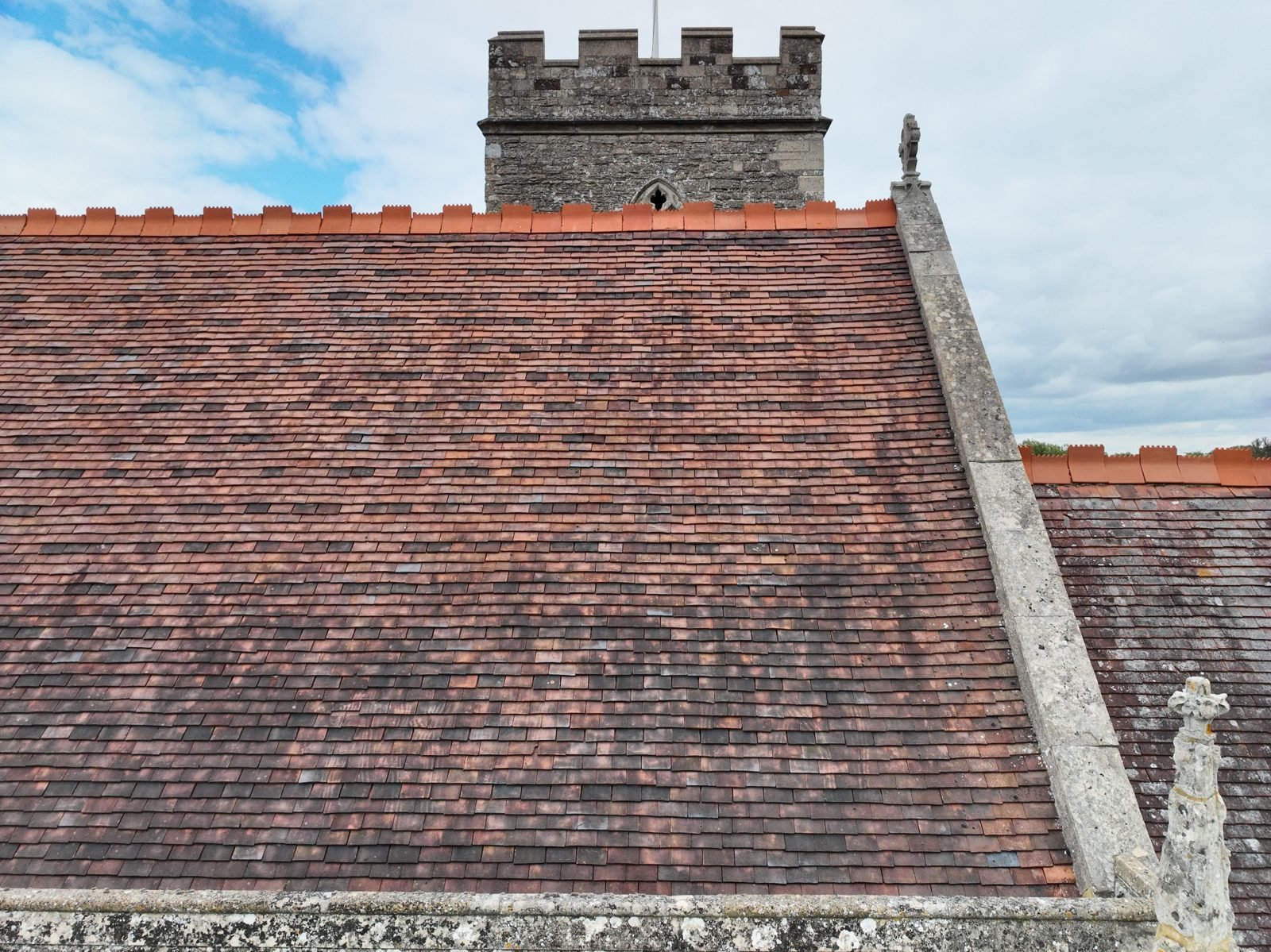
All Saints
No locations flagged — and that is the value: a dated, high-resolution baseline of the whole roofscape for the QI file, the next storm and the insurance conversation.
Read the case studyWhen is your next QI?
If it’s in the next year, the photographs should come first — and if you’re the architect or surveyor inspecting, tell us what you want in front of you. Start with a short call and we’ll tell you honestly whether aerial photography will help this building. Proof first: read the church case studies.
Honest advice on whether aerial photography fits your QI — and a fixed quotation within 2 working days if it does.
Book a Discovery Call